
Kapisa Healthcare · Delhi NCR
Medical Gas Pipeline Systems - Reliable, Safe, NABH-Compliant

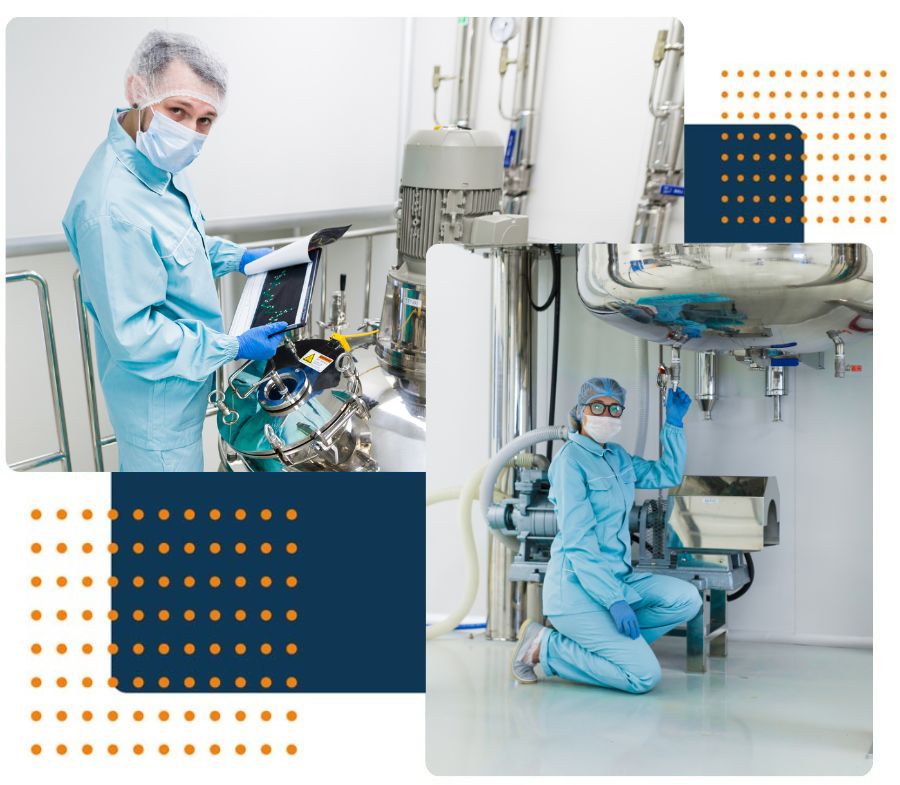
What Is an MGPS?
What Is a Medical Gas Pipeline System (MGPS)?
Gas Catalogue
All Medical Gas Types - One Complete System
Medical Oxygen (O₂)
The most critical medical gas - supplied from a centralised manifold or liquid oxygen tank to OTs, ICUs, wards, and emergency areas via a dedicated pipeline network.
Used in: OTs, ICUs, HDUs, general wards
Medical Vacuum (MVAC)
Centralised suction system for surgical aspiration, wound drainage, and airway management - eliminating the need for portable suction machines at every bedside.
Used in: OTs, ICUs, wards, recovery rooms
Medical Compressed Air
Oil-free, dry compressed air for ventilators, anaesthesia machines, and pneumatic surgical tools - supplied from a dedicated medical air compressor plant.
Used in: OTs, ICUs, ventilator-dependent
Nitrous Oxide (N₂O)
Anaesthetic gas supplied from a dedicated manifold to OT bedhead panels - used in combination with oxygen for general anaesthesia.
Used in: OTs, procedure rooms
Medical Nitrous Oxide / Oxygen Mix (Entonox)
50:50 mixture of nitrous oxide and oxygen - used for pain relief in labour wards, A&E departments, and minor procedure rooms.
Used in: labour wards, procedure rooms
Surgical Air (SA4 / SA7)
High-pressure compressed air at 4 bar (SA4) or 7 bar (SA7) for powering pneumatic surgical instruments such as drills, saws, and tourniquets.
Used in: orthopaedic OTs, neuro OTs
Complete Scope
A Complete MGPS - From Manifold Room to Bedhead Panel
01
Manifold Room Design & Setup
Dedicated manifold room layout with automatic changeover manifolds for oxygen, nitrous oxide, and surgical air — ensuring uninterrupted supply at all times.
02
Liquid Oxygen (LOX) Tank Installation
For larger hospitals — bulk liquid oxygen storage with vaporiser units and automatic primary/secondary switchover.
03
Medical Air Compressor Plant
Oil-free, duplex medical air compressor systems with driers, filters, and monitors — meeting HTM 02-01 and IS 3624 quality standards.
04
Vacuum Plant (MVAC)
Centralised medical vacuum pump stations with duplex pumps, bacterial filters, and exhaust systems — installed in a dedicated plant room.
05
Copper Pipeline Network
Medical-grade copper pipework (to BS EN 13348) installed throughout the hospital — sized, routed, and pressure-tested for each gas type.
06
Zone Valve Boxes (ZVBs)
Colour-coded, labelled zone isolation valves installed at every ward and department — enabling safe isolation of any zone without disrupting the rest of the hospital.
07
Area Valve Service Units (AVSUs)
Local isolation valves at the entry of each clinical area — OTs, ICUs, wards — for emergency gas isolation by clinical staff.
08
Bedhead Panel Units (BHUs)
Colour-coded gas outlet panels at every bed point — OTs, ICU bays, and general ward beds — with integrated electrical outlets and nurse call points.
09
OT Pendant & Boom Systems
Ceiling-mounted pendants and booms for OTs and ICUs — integrating gas outlets, electrical sockets, data points, and equipment mounting in one unit.
10
Alarm Panel System
Master alarm panels at nursing stations and local alarm panels at zone entries — providing continuous pressure monitoring and low-supply alerts for every gas.
11
Pressure Testing & Commissioning
All pipelines pressure-tested to 1.5x working pressure, purged, and verified gas-identity tested before handover — as required by NABH and IS 3624.
12
Full NABH Documentation Pack
As-built pipeline drawings, pressure test certificates, gas identity verification records, and maintenance manuals — complete and ready for NABH inspection.
Compliance
Installed to Indian & International Standards
hospital a solid foundation for NABH accreditation and regulatory compliance.
- IS 3624
Indian Standard for Medical Gas Pipelines
The primary Indian standard governing the design, installation, testing, and commissioning of piped medical gas systems in healthcare facilities.
- NABH
Standards (MOM & SQE Chapters)
NABH accreditation requirements covering medical gas supply, maintenance, staff competency, and emergency protocols — all addressed in our documentation pack.
- HTM 02-01
UK Health Technical Memorandum
The internationally recognised benchmark for medical gas pipeline design — followed by leading private hospitals in India for best-practice system design.
- BS EN 13348
Medical Grade Copper Tube
All copper pipework we use is certified to BS EN 13348 — the international standard for copper tube used specifically in medical gas systems.
Patient Safety
Medical Gas Safety - Why Installation Quality Matters
A poorly installed medical gas pipeline is not just a compliance problem — it is a direct patient safety risk. Wrong-gas incidents, pressure failures, and undetected leaks have caused deaths in hospitals worldwide. This is why every element of an MGPS — from pipeline sizing to valve labelling to alarm configuration — must be done correctly by experienced, specialist installers.

Wrong-Gas Incidents
Incorrectly labelled pipelines or cross-connections between gas types can result in patients receiving the wrong gas. All Kapisa installations undergo mandatory gas identity verification testing before handover.

Pressure Failures During Surgery
Under-sized pipelines or poorly configured manifolds can cause pressure drops during high-demand periods — such as when multiple OTs are operating simultaneously. Our systems are sized for peak simultaneous demand.

Undetected Leaks
Oxygen-enriched environments dramatically increase fire risk. All Kapisa pipeline installations include pressure testing to 1.5× working pressure and alarm systems that alert staff to pressure loss before it becomes a clinical incident.
How We Deliver
From System Design to Commissioned Pipeline - Our Process
01
Requirement Survey & Gas Load Calculation
We survey your hospital layout and calculate the peak simultaneous gas demand for each zone - OTs, ICUs, wards, and emergency areas - to correctly size every pipeline and plant component.
02
System Design & AutoCAD Drawings
Full MGPS design drawings are prepared - including pipeline routes, zone valve positions, manifold room layout, plant room design, and bedhead panel locations. Reviewed and approved by you before installation begins.
03
Manifold Room & Plant Room Construction
Manifold rooms, compressor plant rooms, and vacuum plant areas are constructed with the correct ventilation, access, fire protection, and security provisions.
04
Pipeline Installation & Jointing
Medical-grade copper pipework is installed throughout the hospital, with all joints brazed using silver alloy filler and purged with nitrogen during jointing to prevent internal oxidation.
05
Pressure Testing & Purging
All pipelines are pressure-tested to 1.5x working pressure, leak-tested, and then purged with the correct medical gas. Each outlet is verified for gas identity, flow, and pressure before sign-off.
06
Alarm Commissioning & Staff Training
Master and local alarm panels are commissioned and tested. Clinical and maintenance staff are trained on zone valve operation, alarm response, and emergency isolation procedures.
07
Handover & NABH Documentation
Complete NABH-ready documentation pack provided: as-built drawings, pressure test certificates, gas identity records, plant operation manuals, and maintenance schedules.
Frequently Asked Questions
Common Questions About
Medical Gas Pipeline Systems

Yes. NABH standards require hospitals to have documented, tested, and maintained piped medical gas systems. The standards cover system design, staff competency, maintenance schedules, and emergency protocols. Kapisa provides a complete NABH documentation pack with every installation.
A cylinder system uses individual gas cylinders at each point of use — which requires manual handling, frequent cylinder changes, and creates operational and safety risks at the bedside. A piped MGPS delivers gas from a central source through permanently installed copper pipelines to every outlet in the hospital — safer, more reliable, and more cost-effective over time for any hospital with more than 20 beds.
In India, medical gas pipeline systems must comply with IS 3624 (the Indian standard for medical gas pipelines) and NABH accreditation requirements. Many leading private hospitals also choose to follow HTM 02-01 (the UK Health Technical Memorandum) as an international best-practice benchmark. Kapisa designs systems to all of these standards.
Installation time depends on the size of the hospital and the scope of gases being installed. A basic MGPS for a small nursing home (20–50 beds) typically takes 4–8 weeks. A full MGPS for a 100–300 bed hospital typically takes 10–16 weeks from design approval to commissioning.
Yes. Retrofit MGPS installations are common — particularly for hospitals upgrading from cylinder systems or expanding into new floors or wings. Our engineers design the pipeline route to minimise disruption to ongoing hospital operations during installation.
The cost depends on the number of gases, number of outlet points, hospital size, and whether a new plant room is required. A basic oxygen and vacuum system for a small nursing home can start from ₹8–15 lakhs. A full MGPS for a 100-bed hospital with all gas types typically ranges from ₹25–60 lakhs. Contact us for a site-specific estimate.
NABH requires documented preventive maintenance of medical gas systems at defined intervals. Key activities include outlet pressure checks, alarm panel testing, manifold servicing, and annual pipeline integrity checks. Kapisa offers AMC packages covering all scheduled and corrective maintenance for your MGPS.
Powered by MedGenz
Get Started
Planning a New Hospital or Upgrading Your OT?
- +91 80549 84719
- info@kapisahealthcare.com
- Plot No. 87, F/F Kh. No. 31/25, Behind Delhi Public School, Matiyala, Sector-3, New Delhi 110059