
Kapisa Healthcare · Delhi NCR
CSSD Units - The Backbone of a Safe, Infection-Free Hospital
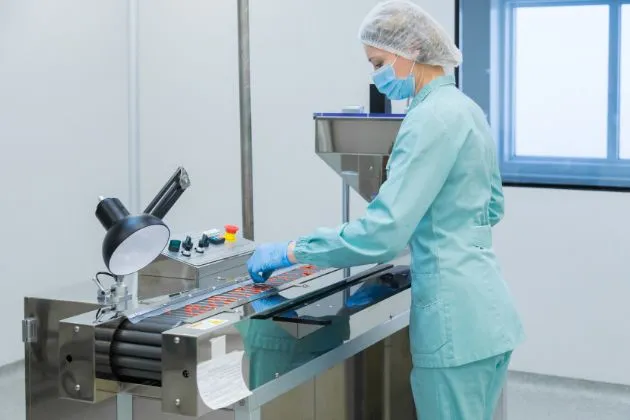

Understanding the Facility
What Is a Central Sterile Supply Department?
The Zone System
How a Properly Zoned CSSD Works
Zone 01 — Dirty
Decontamination Zone
Where contaminated instruments arrive and are cleaned Used surgical instruments from OTs, ICUs, and wards arrive here. They are received, sorted, manually pre-cleaned, and passed through washer-disinfectors or ultrasonic cleaners. This zone operates under negative pressure to prevent airborne contamination from spreading. Staff here wear full PPE. No clean instruments enter this zone.
Zone 02 — Clean
Inspection, Assembly & Packaging Zone
Where cleaned instruments are checked, assembled, and packed Cleaned instruments move from Zone 1 via a pass-through washer or hatch into this area. Staff inspect each instrument for damage, assemble surgical trays per standardised pack lists, and wrap or pouch them for sterilisation. This zone operates under positive pressure to keep it clean. Packing materials and sterilisation pouches are stored here.
Zone 03 — Sterile
Sterile Storage & Dispatch Zone
Where sterilised packs are stored and dispatched to OTs and wards Sterilised packs exit the autoclave into this zone via a double-door pass-through. They are stored in closed, ventilated sterile storage racking and dispatched to OTs, ICUs, and wards through a dedicated clean corridor. Temperature, humidity, and access are strictly controlled here to maintain sterility.
What's Included
Everything Your CSSD Needs
Designed, Supplied & Installed
01
Zone Layout & AutoCAD Design
Full CSSD layout drawings including zone separation, workflow routing, door positions, and services coordination.
02
Stainless Steel Wall Cladding
304-grade SS wall panels in the decontamination zone — seamless, hygienic, and easy to disinfect.
03
Epoxy Flooring with Coved Skirting
Seamless, waterproof flooring throughout — preventing contamination at floor-wall junctions.
04
Pass-Through Hatches & Double-Door Autoclaves
Physical barrier between dirty and clean zones — instruments pass through, people do not.
05
Dedicated HVAC & Pressure Zoning
Negative pressure in decontamination zone, positive pressure in assembly and sterile zones — as per NABH requirements.
06
Washer-Disinfector Integration
Space planning and services connection for automated instrument washer-disinfectors and ultrasonic cleaners.
07
Autoclave Bay Layout
Correctly dimensioned autoclave bays with service connections for steam, water, drainage, and electrical supply.
08
Sterile Storage Racking
Closed, ventilated stainless steel storage racking for sterilised packs — organised by department and expiry date.
09
Clean Utility & Linen Areas
Dedicated areas for clean linen storage, consumable supplies, and dispatch preparation.
10
Staff Change & PPE Areas
Dedicated PPE donning/doffing areas with handwash stations at zone entry and exit points.
11
Signage & SOPs
Zone demarcation signage, colour-coded floor markings, and SOP display boards for each work area.
12
Full NABH Documentation Pack
As-built drawings, commissioning reports, material certificates, and CSSD SOP templates — ready for NABH inspection.
CSSD Solutions For
We Design CSSDs for Every Scale of Hospital

Private Multi-Specialty Hospitals
High-throughput CSSDs handling instrument loads from multiple OTs, ICUs, and wards simultaneously — with full zone separation and autoclave redundancy.

Nursing Homes & Small Hospitals
Compact, efficient CSSD layouts optimised for smaller spaces — without compromising on NABH compliance or workflow integrity.

Government Hospitals
Robust, durable CSSD infrastructure built for high-volume, continuous-use environments — with low maintenance requirements and full documentation.

Day Care & Surgical Centres
Streamlined CSSD setups for day surgery centres with limited instrument volumes — cost-effective, compliant, and easy to manage with a small team.
CSSD Solutions For
We Design CSSDs for Every Scale of Hospital
01
Requirement Assessment & Site Survey
We assess your hospital's OT and ward instrument load, available space, existing services, and NABH accreditation timeline to define the right CSSD specification for your facility.
02
Zone Layout & Workflow Design
Our engineers prepare AutoCAD drawings of your CSSD — showing the 3-zone layout, equipment positions, pass-through locations, HVAC zoning, and staff movement routes. Approved by you before any work begins.
03
Civil, MEP & Fit-Out Works
We handle all civil works, wall cladding, flooring, HVAC installation, electrical, plumbing, and services coordination — a complete single-vendor scope.
04
Equipment Integration & Testing
Autoclave bays, washer-disinfector connections, and utility points are installed, commissioned, and tested. Pass-through hatches and pressure zoning are validated.
05
Handover, Training & NABH Documentation
Full NABH documentation pack provided — as-built drawings, commissioning reports, SOP templates, and material certificates. Staff orientation on zone protocols and daily cleaning routines included.
FAQs
Common Questions About
Hospital CSSD Units
Powered by MedGenz
Get Started
Planning a New Hospital or Upgrading Your OT?
- +91 80549 84719
- info@kapisahealthcare.com
- Plot No. 87, F/F Kh. No. 31/25, Behind Delhi Public School, Matiyala, Sector-3, New Delhi 110059